
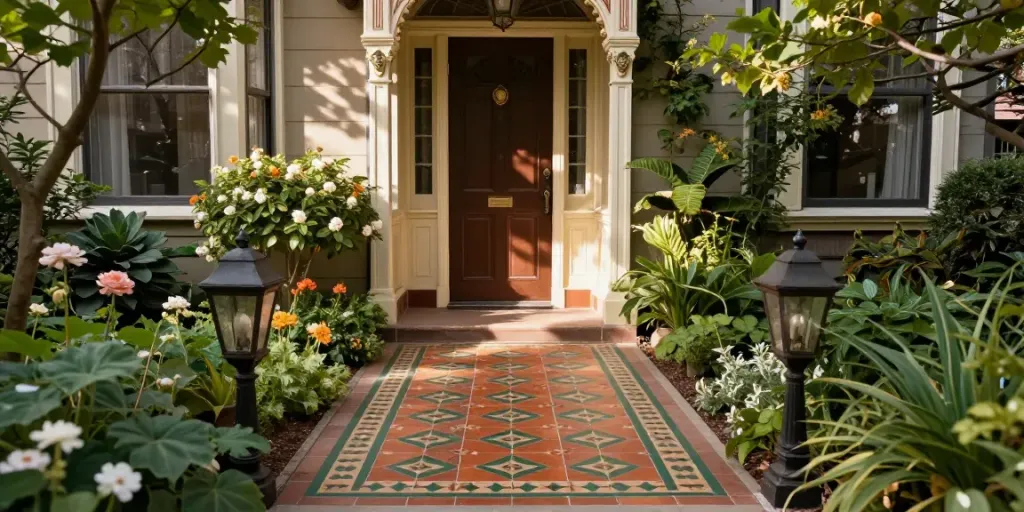
Understanding Period Property Tiling
Period property tiling evokes a sense of history and craftsmanship that can transform a home into a sanctuary of elegance. When exploring options, period property tiling provides comprehensive insights into the rich types, designs, and historical significance of tiles that are suited for period properties. In this guide, we will delve into what defines period property tiling, the historical context behind its various styles, and how to choose the right tiles for your home.
What is Period Property Tiling?
Period property tiling refers to the specific styles and materials of tiles that can be found in homes from distinct historical eras. Commonly associated with Victorian, Edwardian, and Georgian homes, these tiles reflect the architectural and decorative motifs popular during their respective periods. Unlike modern tiles that emphasize minimalism and uniformity, period tiles often feature intricate designs, vibrant colors, and a varied texture, contributing to the overall charm of a historical property.
Historical Significance of Period Tiles
The tiles used in period properties serve not only as functional elements but also as a reflection of the cultural and artistic movements of their time. For instance, during the Victorian era, the introduction of mass production allowed for the widespread use of encaustic tiles, which were often decorated with geometric patterns and floral motifs. These tiles became a popular choice for hallways, hearth areas, and kitchens, encapsulating the era's grand aesthetics.
Characteristics of Quality Period Tiles
- Durability: Period tiles are often made from materials such as clay or stone that withstand the test of time.
- Authenticity: Authentic period tiles should reflect the craftsmanship and design ethos of the era they represent.
- Variability: The best period tiles show a range of colors and patterns, contributing to uniqueness in each installation.
Choosing the Right Tiles for Your Period Property
Selecting tiles for a period property is an art that involves balancing historical accuracy with personal aesthetic preferences. The right choice can enhance the property’s character while respecting its architectural integrity.
Factors to Consider
- Architectural Style: Consider the era of your home and choose tiles that reflect its original design ethos.
- Color Palette: Utilize colors that are historically accurate for the period; for instance, soft pastels for Georgian homes and bold hues for Victorian properties.
- Texture and Finish: Opt for tiles with a matte finish or slight texture to replicate historical aesthetics.
Popular Tile Styles and Patterns
Among the most favored styles for period properties are:
- Encaustic Tiles: These decorative tiles feature patterns created by contrasting colors of clay.
- Victorian Geometric Tiles: Known for their bold, geometric shapes and vibrant colors, ideal for hallways and entrances.
- Subway Tiles: A nod to the Edwardian era, these tiles are often used in kitchens and bathrooms for their simple, clean lines.
Common Misconceptions About Period Tiles
Many homeowners believe that period tiles require high upkeep or are too delicate for modern living. However, with advancements in tile technology and proper maintenance, period tiles can be both durable and easy to care for. Another misconception is that period tiles can only be used in old homes, whereas they complement contemporary designs beautifully, adding character and depth.
Installation Best Practices for Period Property Tiling
Once you have selected the perfect tiles, proper installation becomes crucial to maintain their beauty and longevity. This section outlines the essential steps and considerations for a successful tiling project.
Preparing Your Space for Tile Installation
Ensure that your surface is clean, dry, and level before beginning installation. This process may require repairs to any underlying structures or prior flooring to guarantee a stable foundation for the tiles. Taking time in preparation will yield the best results when laying tiles.
Professional Installation vs. DIY
While some homeowners may opt to install tiles themselves, enlisting the help of professionals can ensure that the tiles are laid correctly and efficiently. Experienced tilers understand the nuances of working with period tiles, including the need for specific adhesives and grouts that preserve the tile’s integrity.
Caring for Your Period Property Tiles
Maintaining period tiles involves regular cleaning with gentle, pH-balanced products to avoid damaging their surface. It’s also wise to periodically apply a sealant to protect the tiles from stains and moisture infiltration.
Revamping Your Period Home with Modern Techniques
Merging traditional aesthetics with modern conveniences can create a harmonious balance in period properties. Innovative designs can breathe new life into historic homes while maintaining their character.
Combining Old and New Design Elements
Consider using modern appliances and fixtures that complement the classic style of your period home. For example, industrial lighting can enhance traditional tiles, creating a stunning contrast that is both functional and visually appealing.
Current Trends in Period Property Tiling
In 2026, one notable trend is the resurgence of hand-crafted tiles, emphasizing quality and unique artistry. Sustainable options are also on the rise, with many homeowners seeking eco-friendly materials that comply with modern building standards while retaining historical charm.
Case Studies: Successful Renovation Projects
Reviewing successful renovations provides inspiration and practical examples for homeowners. For instance, a Victorian terraced house was revitalized by restoring its original encaustic tiles and incorporating modern, water-efficient bathroom fixtures, demonstrating how traditional and contemporary can coexist.
Future Trends in Period Property Tiling
The landscape of period property tiling is set to evolve in several exciting ways as we move forward.
Sustainable Choices for Period Properties
As sustainability becomes increasingly important, many homeowners are exploring options for eco-friendly tiles made from recycled materials or sustainably sourced natural elements. This shift not only supports environmental initiatives but also ensures a unique aesthetic.
Emerging Materials for Period Tiles
Innovations in tile production are introducing materials such as porcelain that mimic the look of traditional tiles with enhanced durability and lower maintenance needs. This advancement will allow homeowners to retain the beauty of period tiles while benefiting from modern technology.
Predicting the 2026 Tiling Landscape
As trends continue to unfold, we can expect an emphasis on personalization, with bespoke tiles gaining popularity. Homeowners are more inclined to create unique designs that reflect their individual style, moving beyond traditional patterns to custom-made options.
What Counts as a Period Property?
Period properties are typically recognized as homes built before the mid-20th century, encompassing various architectural styles from Georgian to Arts and Crafts. The classification often revolves around the building's historical significance and its preservation of period features.
How Much Do Tiles Cost for a 1000 sq ft House?
The cost of tiling a 1000 sq ft space can vary drastically based on materials, style, and installation. Homeowners should budget anywhere from $1,500 to $10,000, depending on the chosen tile type and whether professional installation is required.
What are Class 4 Tiles?
Class 4 tiles are rated for heavy residential use, making them suitable for areas such as kitchens, hallways, and dining rooms. They offer durability and resistance to moisture, ensuring long-lasting performance in high-traffic environments.
What is a Period Style Home?
A period style home is typically characterized by its architectural elements that define a specific historical era. These homes often showcase unique details such as moldings, window styles, and, of course, period tiles that reflect the aesthetics of their time.